
- 📈 Investors bought 10.8% of all homes in Q2 2025, showing investors are still active in real estate.
- 🏠 Investors paid 22% below median prices, making it harder to buy lower-priced homes.
- 🔍 Small investors made 62.5% of investor buys, the highest since 2007.
- 🚨 Memphis and Missouri saw investor purchase shares above 18%, making homes there harder to afford.
- ⚠️ Rules are still missing to control how investors raise prices in cheaper markets.

Investors and the Affordability Squeeze
More than 1 in 10 homes in the U.S. are now bought by real estate investors. And these investors keep buying. For example, in Q2 2025, investors made up 10.8% of all home sales (Realtor.com, 2025). That number is almost as high as the 2022 peak. But one thing is plain: investors buy more homes than they sell, especially cheaper ones. This change means there are fewer homes to buy, and prices are going up for cheaper homes. This makes the housing crunch worse for people buying their first home. The investor housing market is not small anymore. It is a big force that changes how people own homes today.
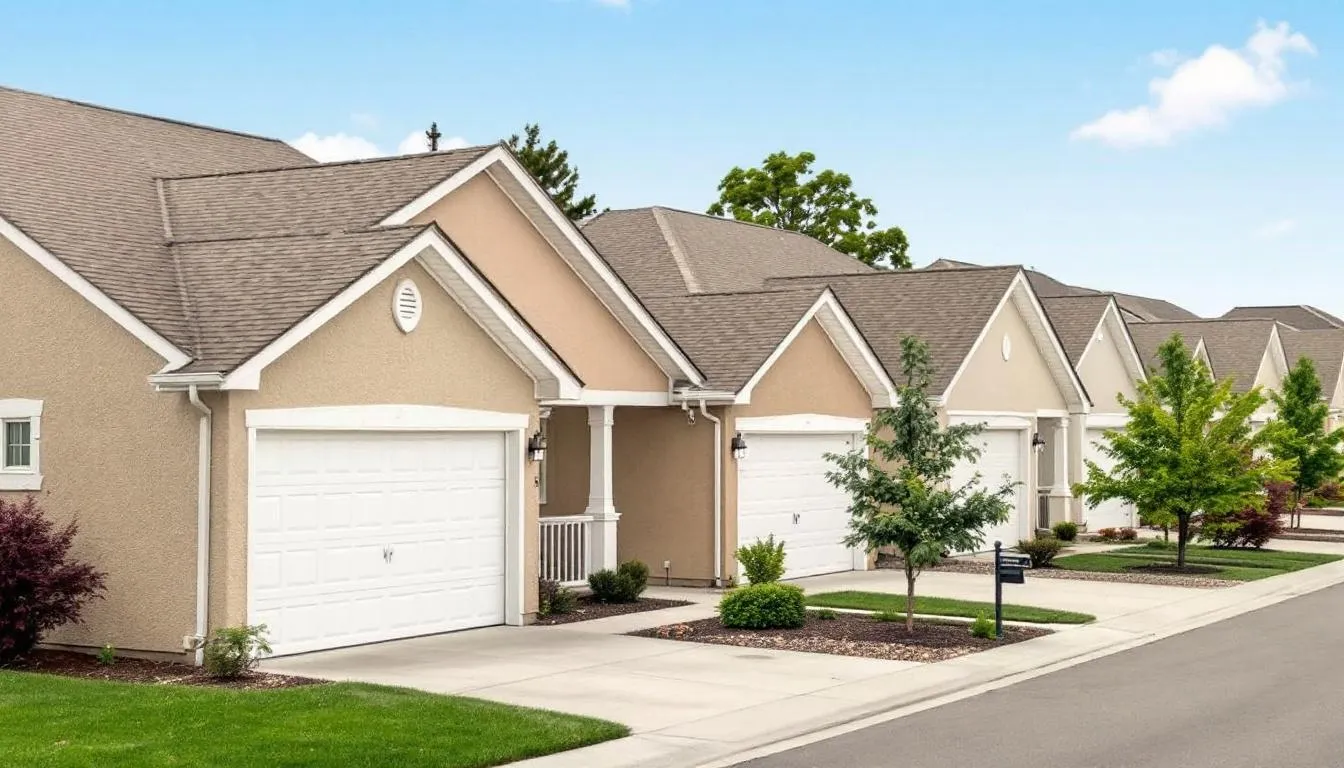
Investor Activity: What the Numbers Say
There is a lot of real estate investor activity. In the first half of 2025, investors bought about 257,000 homes. They bought many more than they sold from their current holdings. In fact, they bought about 41,000 more homes than they sold. This gap grew by 10.8% compared to the same time in 2024. Investors keep buying and holding homes. Because of this, they now hold 726,000 more homes since 2020.
These are not just expensive houses or vacation homes. The numbers show investors aim for homes priced at $287,000 on average. This is much less than the national average sales price of $370,000. This 22% price difference shows fierce competition for cheaper homes. It makes it harder for regular buyers to get into the housing market, especially those with small budgets and first-time mortgages.
And this increase in investor activity does two things. It reduces the number of homes for sale. But it also raises home values in poorer neighborhoods. This hurts fair housing and makes homes harder to afford for many in America.
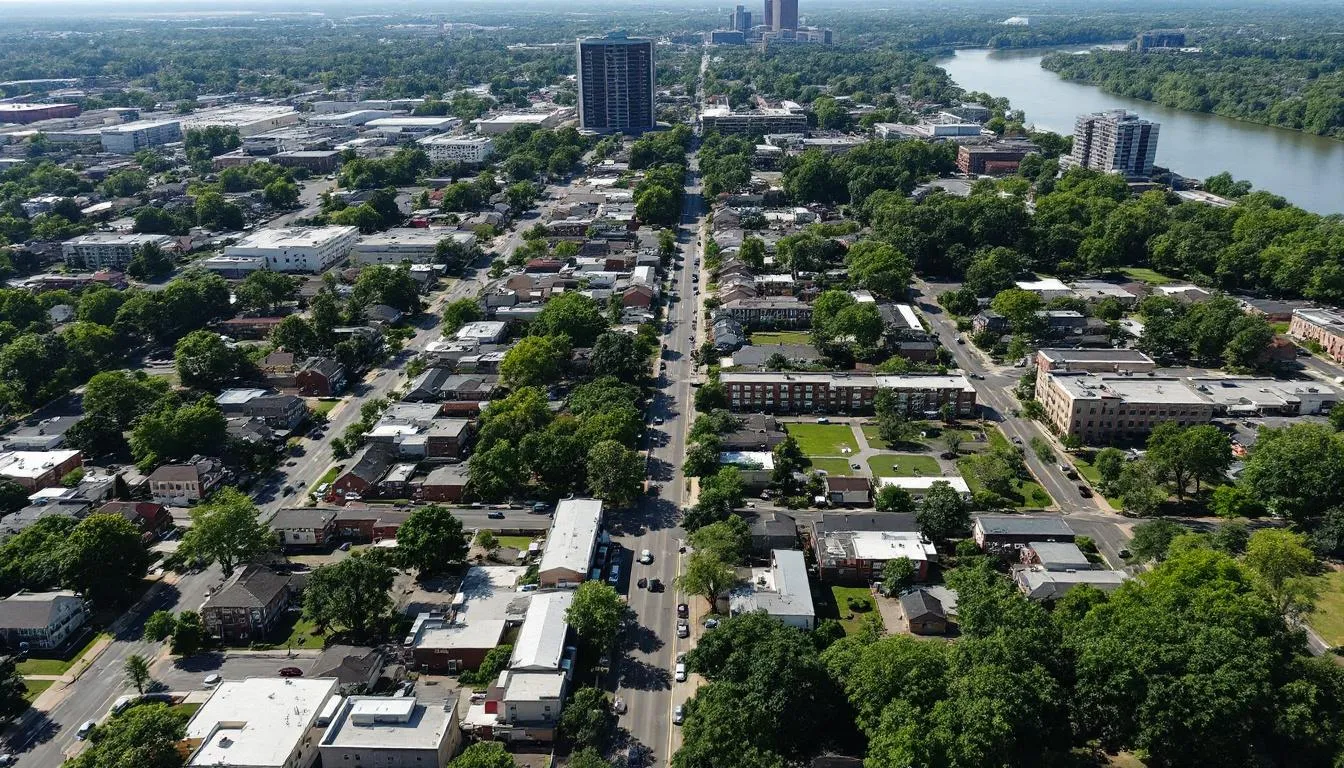
Where Investors Are Most Active—and Why It Matters
Investors do not buy homes evenly across the country. Instead, they buy most in places where they can make the most money with little upfront cost. These are usually areas with cheaper homes and good rent-to-price numbers. According to Realtor.com, Missouri had the most investor activity. There, investors bought 18.9% of all homes. Then came Mississippi (17.1%) and Nevada (15.4%).
The trend is even clearer in cities. For example, in Memphis, investors bought a huge 25.2% of homes. This means one out of every four people buying a home there was probably buying to rent it out or fix it up and sell it. Other cities with many investor buys include Birmingham, Alabama, and Augusta, Georgia.
Why does this matter? These states and cities usually have some of the cheapest homes. Homes in these areas often cost much less than the national average. This makes them good for real estate investors looking for high rental income or rising property values. But this also hurts first-time and low-income buyers a lot. They now have to compete with experienced investors. These investors often have fast cash offers, better loan terms, and ways to get properties quickly.
Columbus, Ohio, had a 6% jump in investor activity from last year. This shows that even medium-sized cities in the Midwest are affected. It is clear that homes being too expensive is not just a problem in big coastal cities now. Investors are buying more and more homes throughout America.
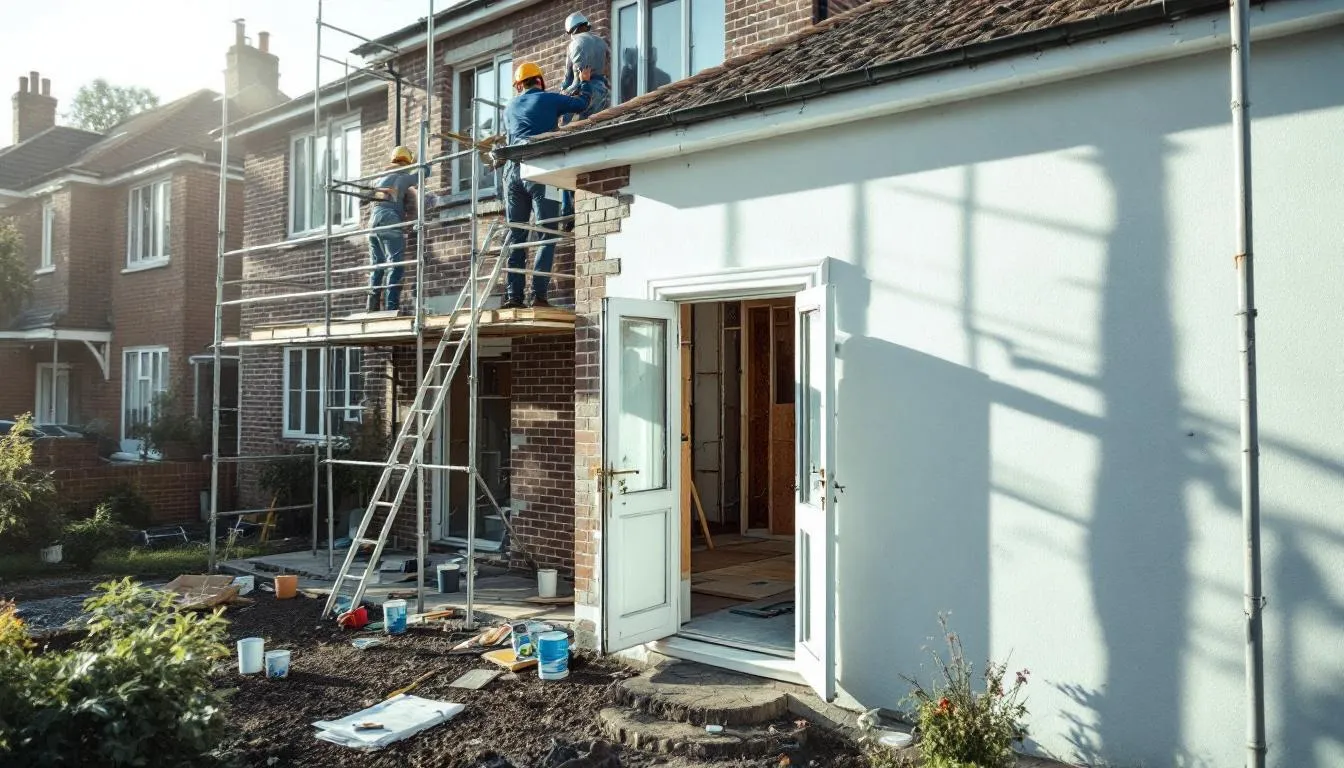
Home Price Premiums and Discounts: How Investors Shop
Looking at what investors buy shows they use two main plans. This depends on the type of market. In cheaper city areas like Detroit, Baltimore, and Pittsburgh, real estate investors pay much less than the average market price. They pay more than 50% below local average home prices. Here, the plan is simple: buy cheap properties, do small fixes if needed, and then rent them for steady money or sell them quickly with little extra cost.
But in places where homes are in high demand and there are few for sale, like Los Angeles (+19.8%), San Diego (+9.2%), and New York City (+8.7%), investors are happy to pay more. In these markets, the buying is more expensive. But the money they could make is also higher. This is true especially where rents and property values are going up, which means big future gains.
These different regional trends show how investors look for value in both cheap and expensive markets. But the outcome is always the same: prices go up. First-time buyers or those with average incomes might hope to find a cheap home. But smart investors often get the deal first. They make better offers that regular buyers cannot match, especially when few homes are for sale.
Investors are buying more and more in both expensive and cheap markets. This shows it's more than just looking for good deals. It's changing who owns homes and who rents in America on a big scale.

Smaller Investors, Bigger Impact
Big buyers like hedge funds and REITs get much attention in the news. But new numbers show they are not the only ones making housing markets busy. In 2025, small buyers—people who own fewer than 10 properties—made 62.5% of all real estate investor buys. This is the highest share since 2007 (Realtor.com, 2025).
This new group of small landlords has big effects. These people often use home equity loans, savings, or other kinds of loans to buy rental properties. They do this to protect their money from rising costs or to make extra income without much work. Medium investors (owning 10–99 properties) got only 17.6% of the investor market. And big institutional players (over 100 homes) made up a smaller 19.8%.
Small investors can cause problems because they can buy homes without drawing attention from regulators, unlike big firms. But together, they buy many homes. Big companies might buy many homes at once or new housing developments. Small investors, though, buy single-family homes. These are often the same homes local families want to buy.
More people becoming landlords means that the housing crunch is not just big companies taking over. It's a basic change in how Americans invest. And it is changing what starter homes are available across the country.
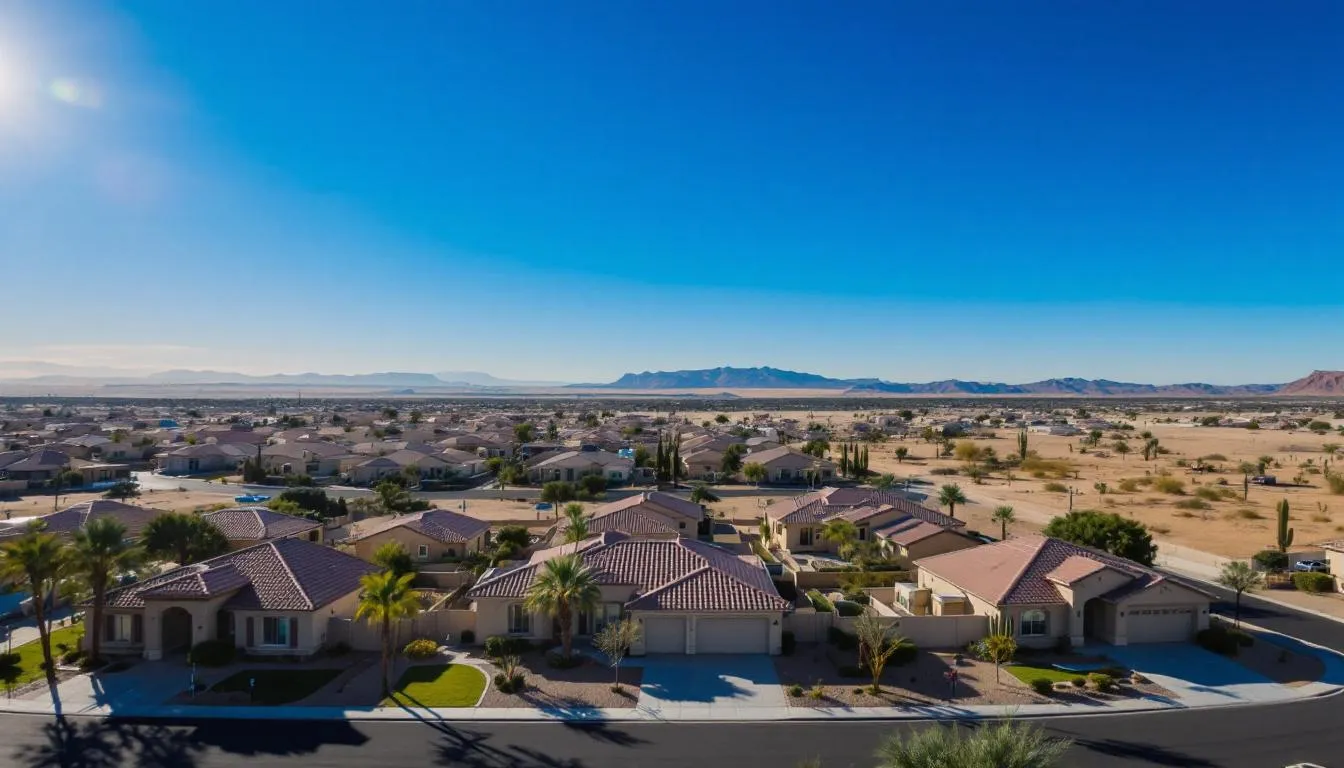
Vegas Spotlight: Investor Influence in the Local Market
Las Vegas is known for its bright lights and casinos. But it is also a popular spot for investors, especially for homes priced under $400,000. Steve Hawks, a main Las Vegas real estate expert, says this trend comes from local buyers and out-of-state investors. They want to make money from the city's long-term growth.
"Areas like North Las Vegas and Sunrise Manor face constant pressure," says Hawks. "Investors aim for any home under $400,000. And their cash offers are better than what FHA or VA loan buyers can afford," he adds.
Las Vegas has strong population growth, a steady job market, and not enough new affordable homes. This makes it a perfect mix for real estate investors. They want both rental income and future value gains. Older homes in suburban areas like 89110, 89142, and 89115 are now being bought in large numbers. This is because they only need small repairs and can be rented fast.
Hawks adds that buyers who make normal offers, even with a small delay for a mortgage, often lose to investors. These investors make bids that might only be $10,000 more than the asking price. This is a sad truth for families trying to build a life here.

Why Entry-Level Buyers Are Feeling the Pressure
Investor activity hits how much buyers can afford, and this is clearest in the starter home market. These homes are becoming harder to find. These buyers often have small down payments and need their loan to go through. But they have to compete with investors who have lots of cash. These investors can skip inspections, close fast, and offer more money easily.
This is not just about prices; it is also about how people feel. Many people who want to buy a home feel defeated after losing out on several offers. This is especially true when there are few homes for sale. Across the country, this problem means fewer people own homes, even though many want to buy. Some buyers choose to rent for longer or not move. This puts off building wealth and passing assets down to their children.
Policy Gaps & Solutions: What Might Improve Affordability?
Right now, few housing rules directly deal with real estate investor competition. Zoning changes, tax breaks for low-income people, and public housing help are common tools. But they do not often stop investors from buying many homes in cheaper neighborhoods.
Here are some ideas for rules:
- Ownership Caps: Limit how many homes one entity—individual or institutional—can own per zip code.
- Local Deed Reserves: Set aside a certain share of homes only for people who will live in them.
- Tax and Transaction Penalties: Charge extra taxes to investors who buy many properties in short periods.
- New Incentive Programs: Start new programs that help with down payments, offer grants, or improve FHA loans. These would help regular buyers compete better.
Steve Hawks says Las Vegas would do well with new rules or rewards that lead to more starter homes being built. Hawks explains, “Builders now focus on people buying expensive homes. We need three-bedroom, two-car garage homes priced under $350,000.” He adds, “Families want to buy these homes, but they cannot find them.”
Any lasting solution will need to find a balance. It must protect homebuyer access while still letting the investor market work well.

What Next? Forecast for Investor Behavior Going Into 2026
Going into 2026, real estate investing will likely change. Many large economic and population trends will affect it. Small and medium investors will probably stay busy. This is true if interest rates remain steady and rental demand keeps going as it is now.
Big institutional buyers, though, might be more careful. This is because the cost of money can change, and people are watching them closely. But places like Phoenix, Jacksonville, and Las Vegas will still be good spots for investors. This is because they have steady population growth, homes that are fairly cheap (compared to big coastal cities), and steady job creation.
In Las Vegas, more building of roads, public transport, and businesses makes it good for rentals over time. However, if not many new cheaper homes are built, investors might compete even more for lower-priced homes.
Smart investors will likely look for more foreclosures, market drops from economic changes, or new rules that give them openings. For people hoping to buy a home, the advice is to stay informed. Be ready early, and get help to deal with this new situation.
Key Takeaways for Buyers and Investors
The investor housing market will not go away. It is greatly changing how people own homes in America, especially for lower and middle-income buyers. Big companies' money may change, but small real estate investors are now the real power behind today's housing crunch. They focus on cheaper properties and good rental income. Because of this, they are changing neighborhoods and shifting the balance of who rents and who buys.
Buyers should work with experienced realtors, prepare strong offers, and be open to different locations and terms. Getting pre-approved for a loan, using escalation clauses, and making backup offers are not just smart moves. They are a must.
Real estate investors, on the other hand, need to see their part in this system. Making money on their investment is still key. But a good housing market also needs to let people own homes. Knowing what is happening, new rules, and careful investing will guide the future of home buying. This will also help decide if the American Dream is still possible.
Citations
Realtor.com. (2025). Investors purchased 10.8% of all homes in Q2 2025.
Realtor.com. (2025). Investors bought 41,000 more homes than they sold in the first half of 2025, marking a 10.8% wider gap than H1 2024.
Realtor.com. (2025). Missouri led investor home purchases with 18.9%.
Realtor.com. (2025). In Detroit and Baltimore, investor purchases were more than 50% below local medians.
Realtor.com. (2025). Investors paid home premiums in Los Angeles (+19.8%) and San Diego (+9.2%).
Realtor.com. (2025). 62.5% of all investor purchases came from small investors.
Check out this article next